Blog

  • How Rugs and Carpets Reduce Noise in an Apartment

    How Rugs and Carpets Reduce Noise in an Apartment

    Why hard floors make apartments louder

    Hard floors reflect sound instead of absorbing it. That makes footsteps sharper and makes voices and TV noise bounce around the room, which creates that “empty” loud feeling. Adding soft surfaces helps reduce echo and makes the room feel calmer.

    Rugs help a lot with footsteps—pair them with these renter-friendly upgrades: How to Soundproof a Room in an Apartment Without Drilling.

    What rugs help with (and what they don’t)

    Rugs help most with echo and footstep noise inside your room. They can also reduce how much impact noise travels downward to neighbors, especially with a good pad. But rugs won’t fully block loud bass or completely stop noise through walls—think of them as a strong comfort + noise-softening upgrade, not full soundproofing.

    The best apartment-friendly rug and carpet methods

    Rugs work best when you focus on thickness, coverage, and what’s underneath. These methods are renter-friendly and don’t require drilling or construction.

    1. Use a thick rug (the thicker, the better)

    A thicker rug absorbs more sound and reduces the “clap echo” you get with bare floors. Dense rugs generally perform better than thin, flat ones. If you’re choosing between two rugs, pick the one that feels heavier and more cushioned.

    2. Add a rug pad underneath (big difference)

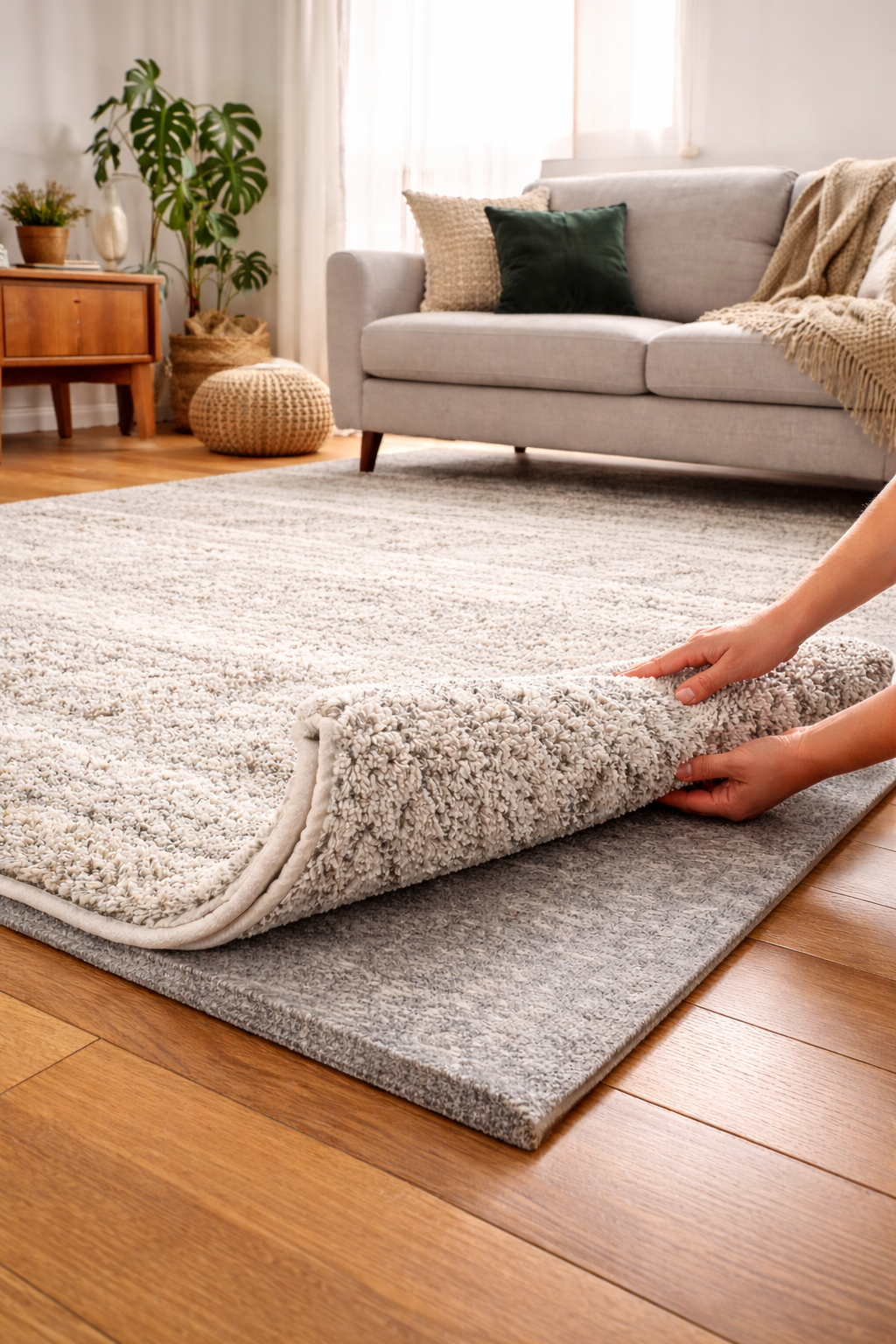
    A rug pad is one of the easiest upgrades that actually changes how a room sounds. It adds cushioning, reduces impact from footsteps, and helps the rug absorb more sound. Even a normal rug feels quieter and softer with a pad under it.
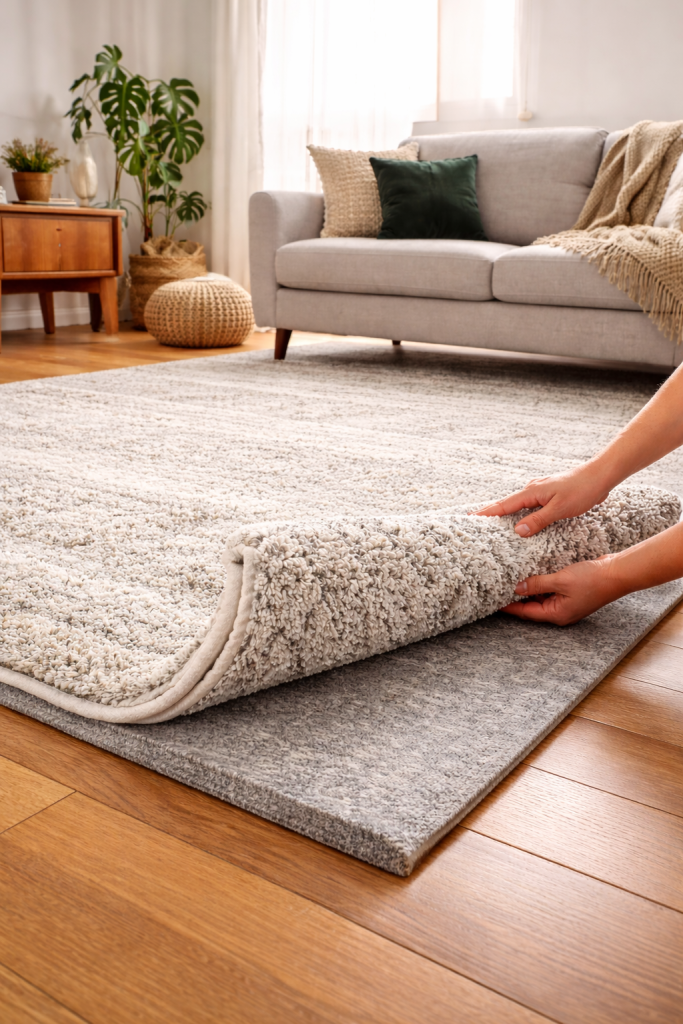
    Rug pad under an area rug to reduce footsteps and impact noise

    3. Cover the high-traffic areas first

    You don’t need to carpet your whole apartment to notice an improvement. Start with the areas where noise happens most—like hallways, the living room walking path, next to the bed, or under a desk chair. Covering the main walking zones usually gives the fastest results.

    4. Layer rugs for extra noise control

    Layering adds thickness, and thickness helps. A simple way is placing a smaller thick rug on top of a larger flat rug. This works great in a living room or bedroom and helps reduce both echo and footstep noise.

    5. Use carpet tiles for renters (removable option)

    If you want more coverage without installing carpet, removable carpet tiles can help. They won’t be as plush as a full carpet and pad, but they can reduce echo and soften footstep noise—especially in office areas or along walking paths.
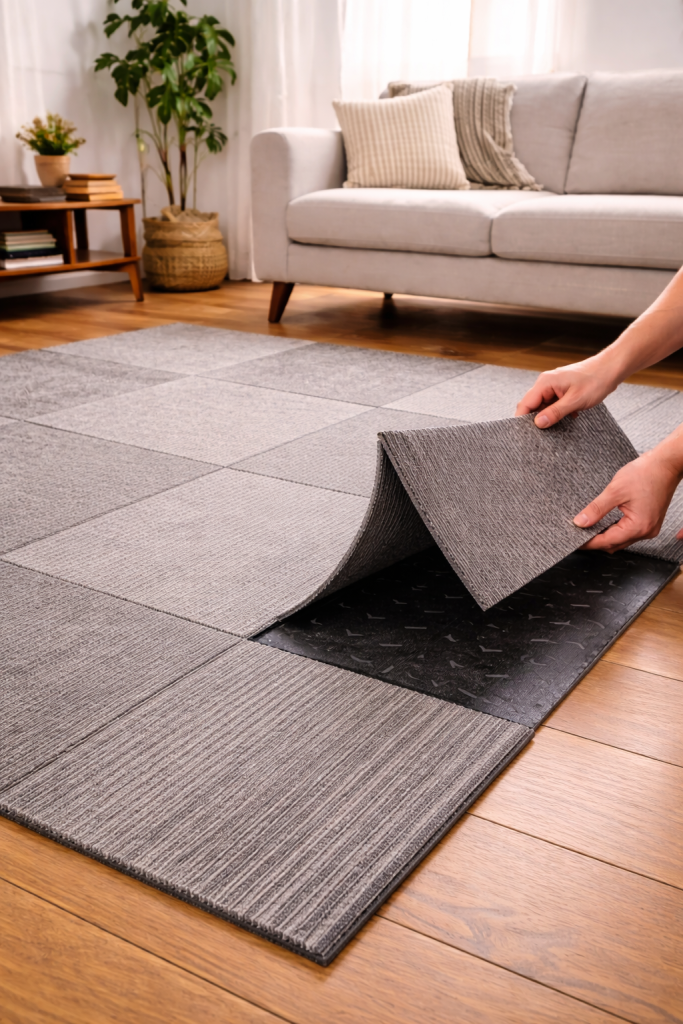
    Carpet tiles being installed on a floor as a renter-friendly noise reduction option

    Common mistakes to avoid

    A common mistake is buying a thin rug and expecting it to make a huge difference. Another one is skipping the rug pad—pads matter more than people think. Also, placing a rug only under a coffee table but leaving the walking path exposed usually won’t change the noise much.

    If your room still feels loud after adding rugs, you may need wall treatment too—see acoustic panels for reducing echo.

    How much noise reduction you can realistically expect

    Rugs and pads can make a room feel noticeably quieter by reducing echo and softening footsteps. You’ll usually notice the biggest change in rooms with hard floors, high ceilings, or lots of empty space. They won’t erase loud music or deep bass from neighbors, but they can make everyday noise less sharp and less annoying.

    Conclusion

    If you want a renter-friendly way to reduce noise, rugs and carpets are one of the easiest upgrades. Focus on thickness, add a rug pad, and cover the areas you actually walk on. Even simple changes here can make your apartment feel quieter and more comfortable.

    For the best results, combine rugs with door and wall fixes: how to soundproof a door in an apartment and how to soundproof a wall apartment-friendly options that work
  • How to Soundproof a Wall (Apartment-Friendly Options That Work)

    How to Soundproof a Wall (Apartment-Friendly Options That Work)

    If you’re hearing voices, TV, or neighbor noise through a wall, you’re not alone. The good news is you can reduce a lot of it with apartment-friendly fixes—no drilling required. Below are the best methods that actually help.

    For a full no-drill plan, read: How to Soundproof a Room in an Apartment Without Drilling.

    Why you can hear neighbors through a wall

    Most apartment walls are built to separate rooms, not block sound. If the wall is thin, hollow, or has gaps around outlets and trim, sound can travel through it easily. Voices, TV, and music are usually airborne noise, which slips through weak spots and thin materials. Deeper sounds (like bass) can also travel as vibration, which is harder to stop.

    First figure out what kind of noise you’re dealing with

    Before you spend money, figure out what you’re actually hearing. If it’s mostly conversations, TV, or general chatter, you’re dealing with airborne noise and you’ll get the best results from adding mass and sealing leaks. If it’s bass, thumping, or vibration, you may need decoupling (a more “construction-style” fix). Most renters are mainly dealing with airborne noise, so that’s what we’ll focus on first.

    The best apartment-friendly wall soundproofing methods

    If you’re renting, the goal is to reduce noise without drilling or damaging the wall. The best approach is stacking a few simple upgrades: add something dense in front of the shared wall, cover the wall with thick layers, and seal the obvious sound leaks. These methods won’t make the wall “studio soundproof,” but they can noticeably reduce the noise and make the room feel calmer.

    1. Hang thick blankets or soundproof curtains on the shared wall

    One of the easiest renter-friendly options is hanging thick fabric over the shared wall. A heavy moving blanket, quilted blanket, or soundproof curtain adds mass and can help reduce how much sound gets through. For better results, leave a small air gap between the fabric and the wall if you can. If you already used curtains as a solution, this is basically the “wall version” of that method.

    If you want a similar setup for doors, see our blanket/curtain over door guide.

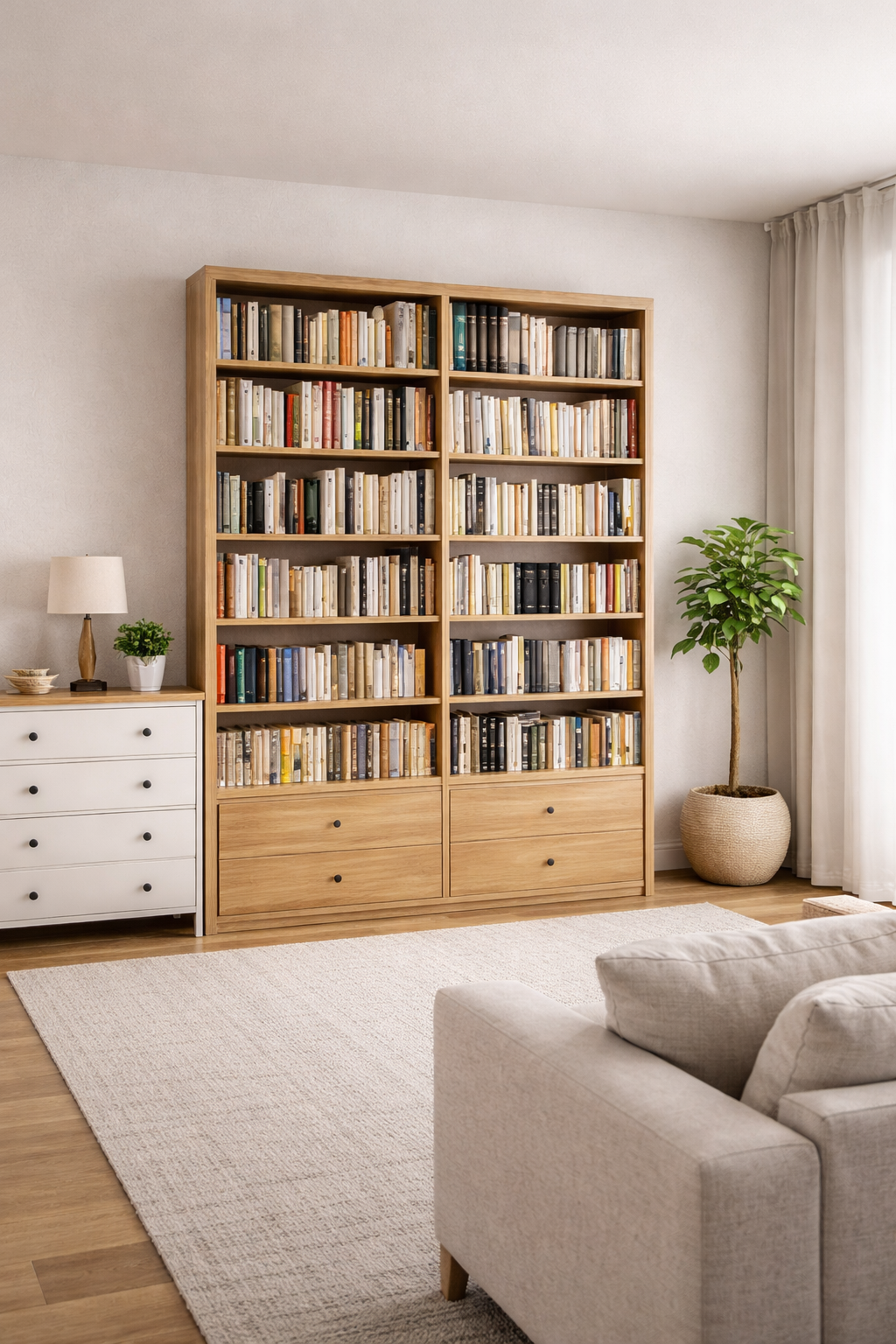
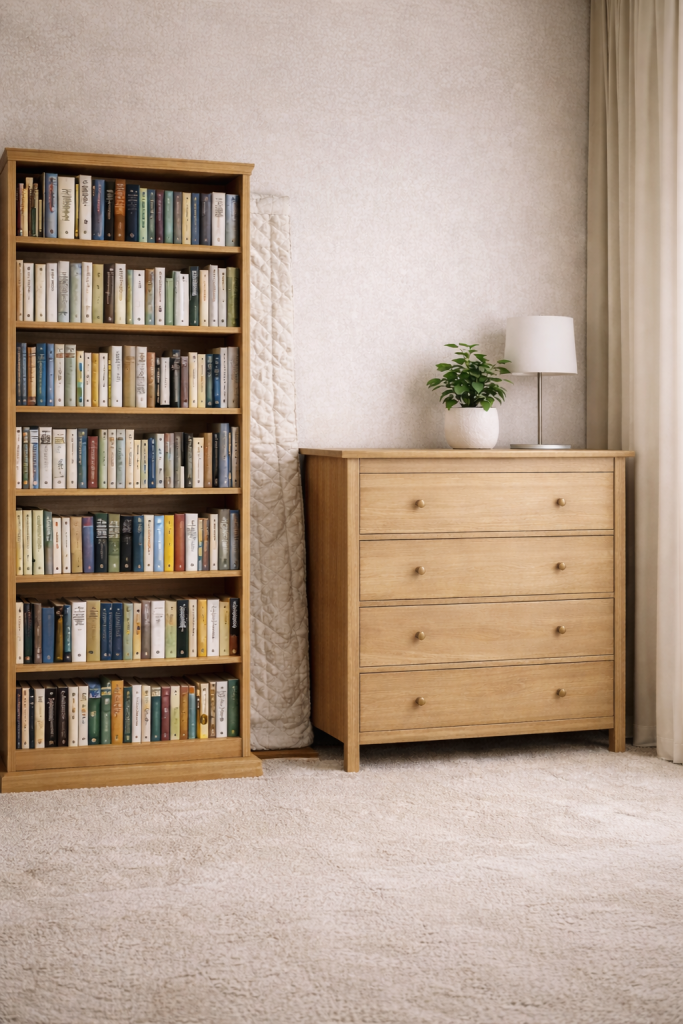
    2. Add a “mass wall” with a bookcase or dresser

    Bookcase and dresser placed against a shared wall to reduce noise in an apartment

    This is one of the most underrated apartment tricks. Put a full bookcase, dresser, or wardrobe against the shared wall and fill it with dense items (books work best). The more mass you add, the harder it is for sound to pass through. If you want extra improvement, add a folded blanket behind the furniture before pushing it against the wall.

    3. Seal sound leaks (outlets, baseboards, and cracks)

    Sound sneaks through tiny openings—especially around outlets and gaps in trim. Even if your wall is “solid,” outlets can act like little sound tunnels. Use foam outlet gaskets behind outlet plates, and check for gaps near baseboards or corners. If your lease allows, removable caulk can help seal small cracks without permanent damage.

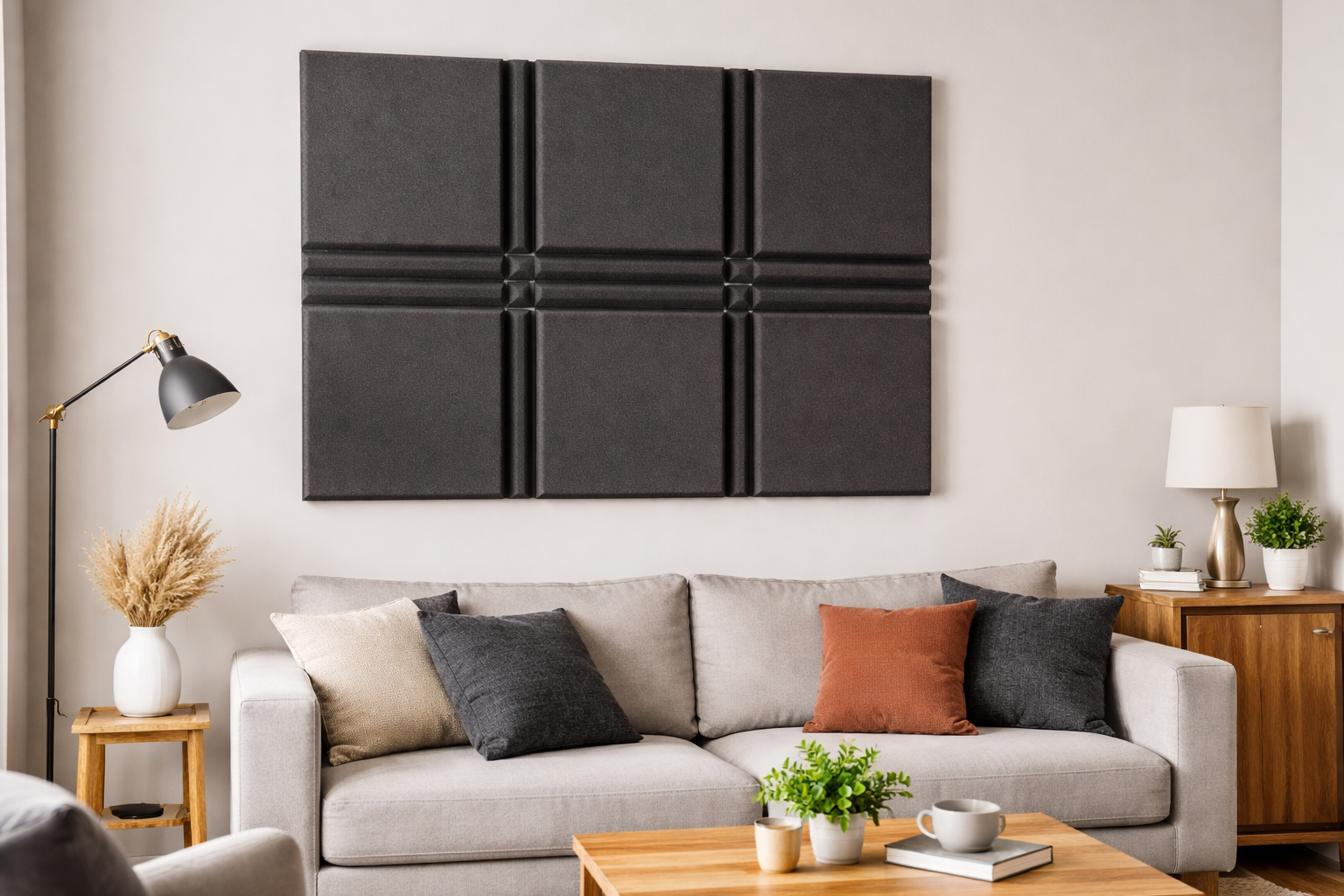
    4. Use acoustic panels the right way (for echo + support)

    Acoustic foam panels installed on a wall to reduce echo and improve room acoustics

    Acoustic panels help most with echo inside your room, not blocking your neighbor completely. But they can still help as a “support” step—especially when combined with heavy fabric or dense furniture. If you use panels, place them on the shared wall where the noise seems loudest and cover more area rather than using one small cluster.

    Acoustic panels work best as a support method. See our acoustic panels guide for placement tips.

    5. Stronger wall soundproofing (more permanent, best results)

    If you own the place (or your landlord allows upgrades), you can get much bigger improvements by changing the wall itself. The most effective approaches involve adding mass, reducing vibration transfer, and improving what’s inside the wall cavity. These options cost more and take more work, but they give the best results—especially for loud neighbors.

    6. Add mass with drywall + damping compound

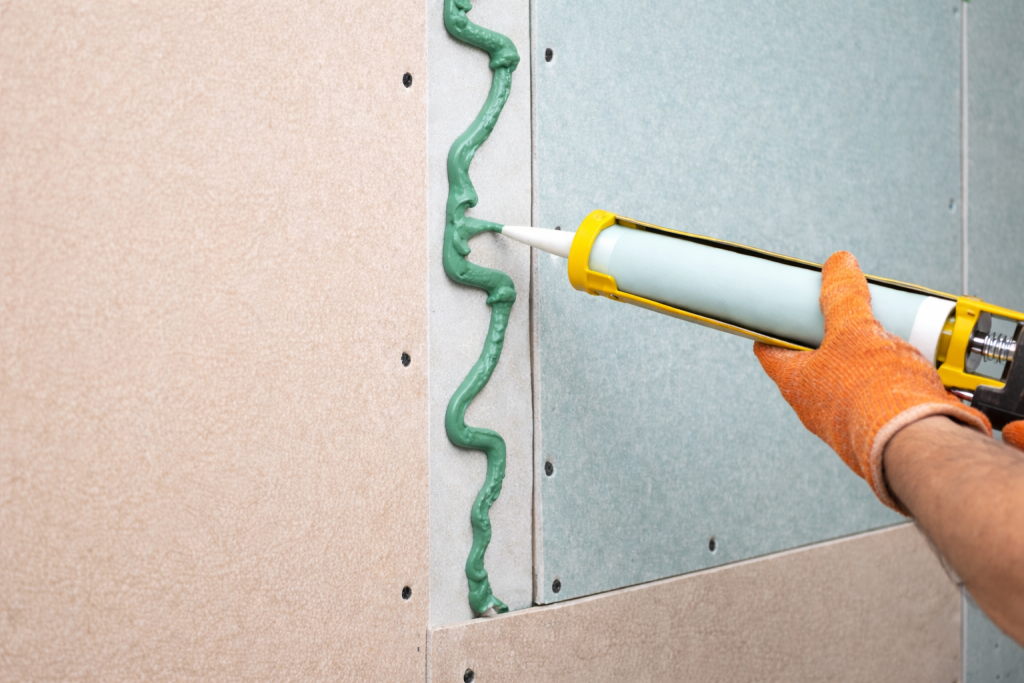
    Green damping compound applied between two layers of drywall to help block wall noise

    Adding another layer of drywall increases mass, which helps block sound. For even better results, a damping compound between layers reduces vibration and improves noise reduction compared to drywall alone. This is one of the strongest upgrades for airborne noise like voices and TV. It’s not always renter-friendly, but it’s a solid “best results” option for homeowners.

    How much noise reduction you can realistically expect

    No-drill fixes won’t make it silent, but they can make it noticeably quieter—especially for voices and TV. Bass usually improves the least, but adding mass (bookcase/furniture) + thick wall covering still helps.

    Conclusion

    Wall noise is super common in apartments, but you don’t need construction to improve it. Start with the easiest wins: add dense furniture against the wall, hang a thick blanket or curtain, seal leaks around outlets, and use acoustic panels to reduce echo. Stack a few of these and the room should feel noticeably quieter.

  • How to Soundproof a Door in an Apartment (Cheap & Renter-Friendly Methods)

    How to Soundproof a Door in an Apartment (Cheap & Renter-Friendly Methods)

    If you live in an apartment, your door is probably one of the biggest sources of noise. Hallway sounds, neighbors, footsteps, talking, and even elevator noise often come straight through thin apartment doors.

    The problem is that most apartment doors are hollow and full of gaps, which makes them terrible at blocking sound. And since drilling or replacing the door usually isn’t allowed, you need renter-friendly solutions.

    In this guide, we’ll cover what actually works to soundproof a door without drilling, what doesn’t, and how much noise reduction you should realistically expect.

    Why apartment doors are so bad at blocking sound

    Most apartment doors are hollow-core doors. They’re lightweight, cheap, and easy for buildings to install — but terrible for soundproofing.

    On top of that, there are usually:

    • Gaps under the door
    • Gaps around the frame
    • Thin materials that let sound pass straight through

    Sound doesn’t need a big opening to get through. Even small cracks can let a surprising amount of noise leak into your room.

    The best ways to soundproof a door without drilling

    1. Door draft stopper

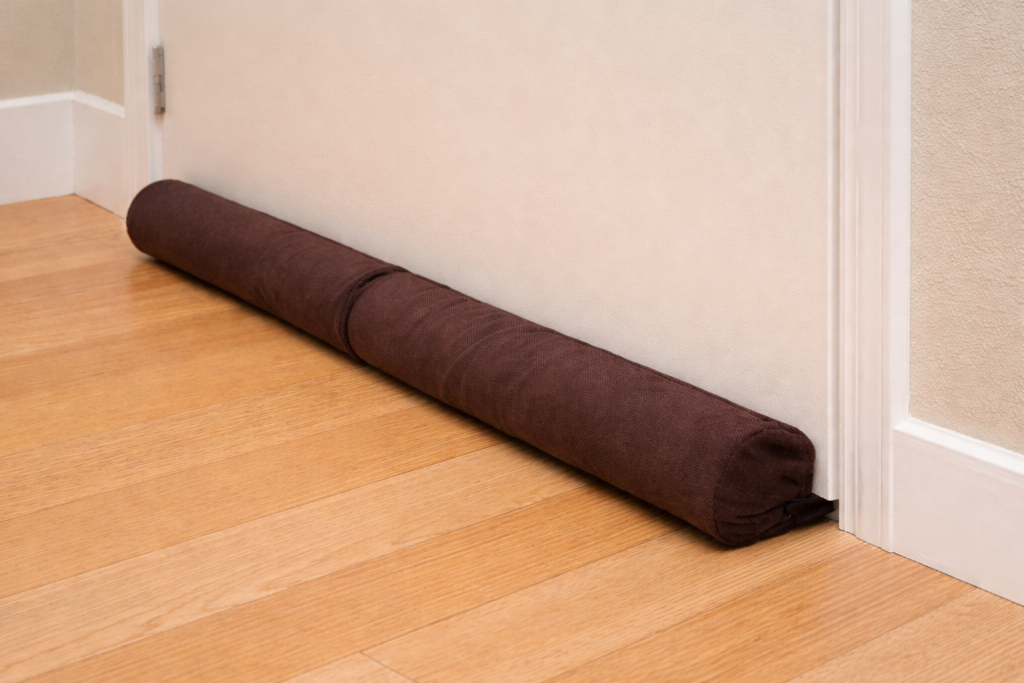
    door draft stopper used to block noise under apartment door

    A lot of noise enters through the gap under the door. A door draft stopper blocks that gap and stops both sound and air from coming through.

    This is one of the cheapest and easiest upgrades you can make, and it actually works well for hallway noise and voices.

    2. Weather stripping

    Weather stripping seals the gaps around the sides and top of the door frame.

    Even small cracks around the frame can let in a lot of sound. Sealing them can make a noticeable difference, especially for voices and higher-pitched noise.

    It’s cheap, removable, and perfect for renters.

    3. Door soundproofing blanket or curtain

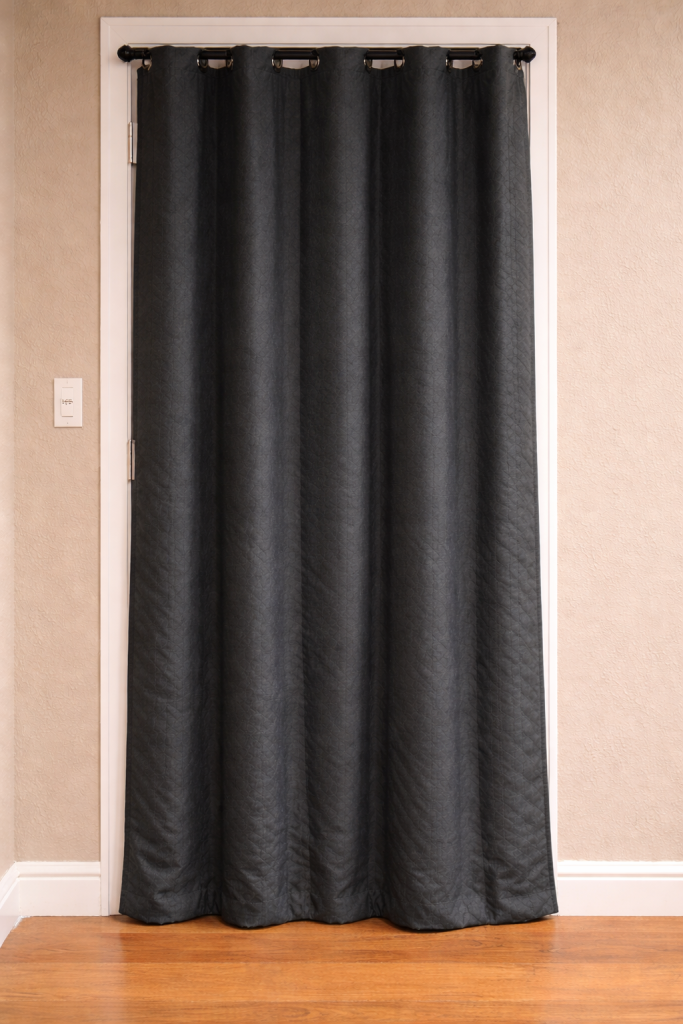
    Hanging a thick blanket or curtain over the door adds mass, which helps block sound passing through the door itself.

    thick curtain hung over door to block noise in apartment

    This won’t completely silence your room, but it can noticeably reduce noise coming through thin doors.

    4. Mass loaded vinyl (removable)

    Mass loaded vinyl (MLV) is a heavy, dense material designed to block sound.

    You can hang it over the door using hooks or removable adhesive strips. It works better than blankets, but it’s more expensive and heavier.

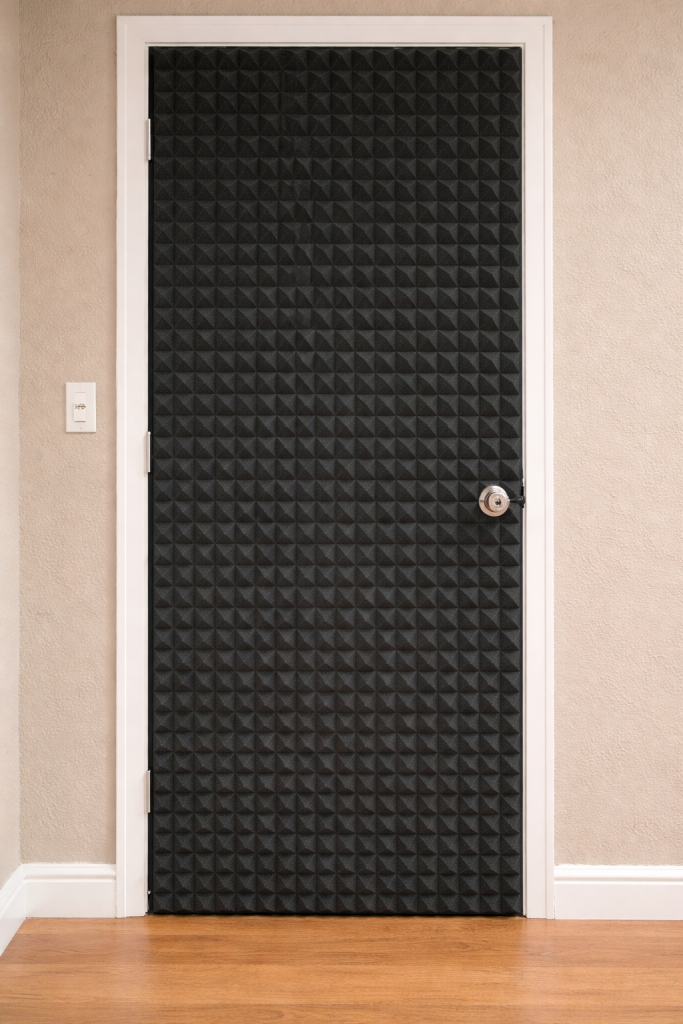
    5. Foam panels on the door

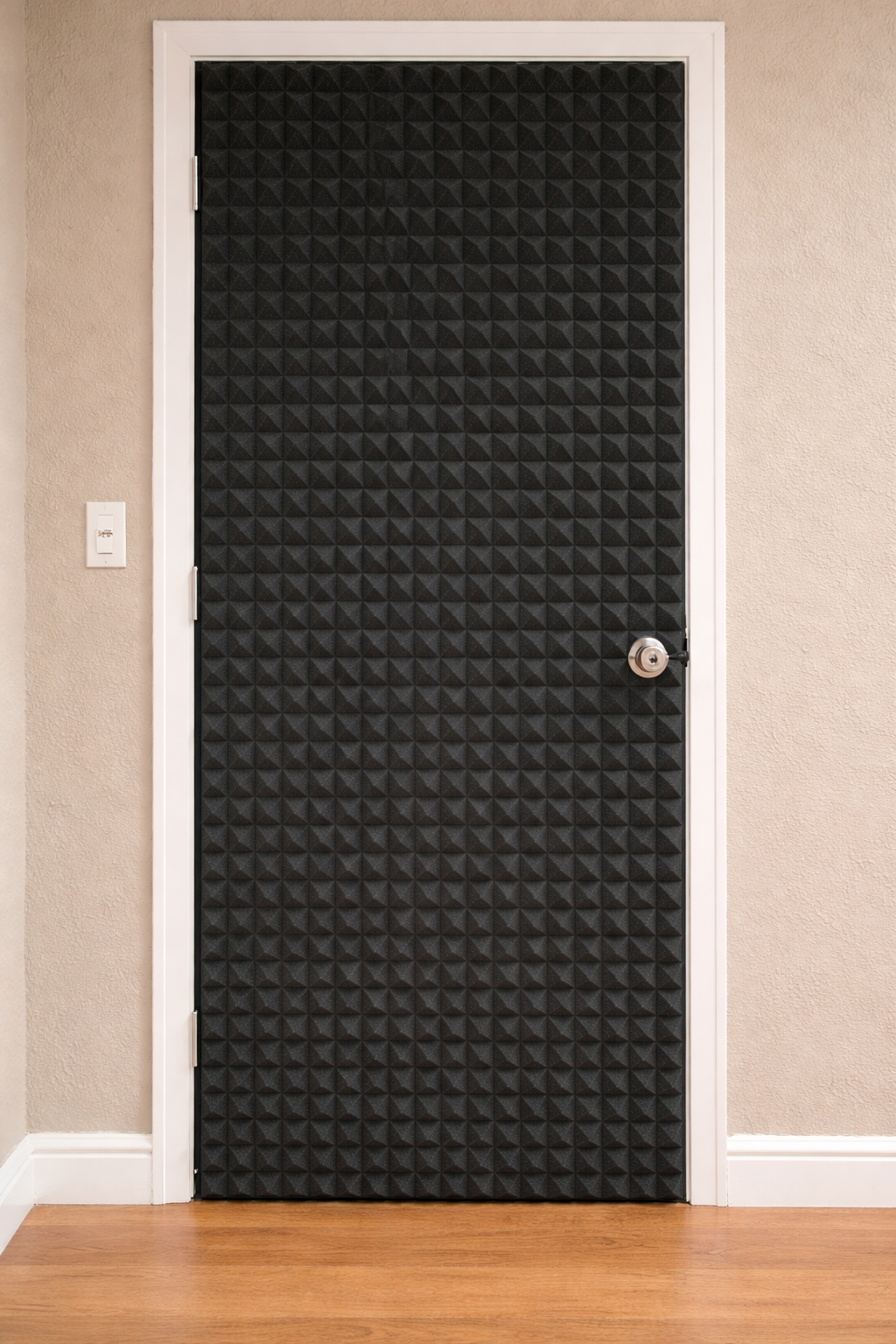
    acoustic foam panels on apartment door for noise reduction

    Foam panels help reduce echo and soften sound inside your room, but they do not block much noise from entering.

    They can slightly help with high-frequency noise, but they are not a true soundproofing solution on their own.

    6.Sealing the door frame gaps

    Even if you treat the door itself, sound will still leak through gaps around the frame if they’re not sealed.

    Combining weather stripping, a door sweep, and corner seals gives you the best overall result.

    What actually works vs what doesn’t

    Works best:

    • Sealing gaps (draft stoppers + weather stripping)
    • Adding mass (blankets or MLV)

    Does NOT work well by itself:

    • Foam panels
    • Thin decorative panels

    Foam is for echo control, not real sound blocking.

    How much noise reduction you can realistically expect

    With renter-friendly methods, you should expect:

    • Noticeably less hallway noise
    • Voices and TV sounds reduced
    • But not complete silence

    True soundproofing requires construction — but these methods can make your room much more livable.

    Better alternatives if the noise is severe

    For a full room solution, read our complete guide on how to soundproof a room in an apartment without drilling.

    Conclusion

    Apartment doors are one of the weakest points when it comes to noise. While you can’t fully soundproof a door without construction, sealing gaps and adding mass can make a big difference.

    If you want a complete, renter-friendly strategy for reducing noise in your whole room, check out our full guide on
    how to soundproof a room in an apartment without drilling.

  • Do Acoustic Panels Really Work in Apartments?

    Do Acoustic Panels Really Work in Apartments?

    Acoustic foam panels are everywhere online, especially on TikTok, YouTube, and Amazon. But do they actually work for soundproofing an apartment, or are they just for looks?

    If you’re dealing with noisy neighbors, roommates, or street noise, you might be wondering whether sticking foam panels on your walls will really make a difference. In this article, we’ll break down what acoustic panels actually do, what they don’t do, and whether they’re worth buying for an apartment.

    What acoustic panels are designed to do

    Acoustic panels are designed to absorb sound inside a room, not block sound from entering or leaving it. Their main purpose is to reduce echo, reverb, and sound reflections, which makes a room sound cleaner and less hollow.

    They are commonly used in home studios, gaming rooms, offices, and recording spaces to improve sound quality. If your room sounds “echoey” or “boomy,” acoustic panels can make a noticeable difference in how the room sounds inside.

    What acoustic panels do NOT do

    Acoustic panels do not stop sound from passing through walls, floors, or ceilings. This means they will not block loud neighbors, traffic noise, or someone watching TV in the next apartment.

    True soundproofing requires adding mass, sealing gaps, or building barriers. Foam panels are lightweight and are not designed to stop sound from traveling between rooms or apartments.

    Do acoustic panels reduce neighbor noise?

    In most apartments, acoustic panels will not significantly reduce noise coming from neighbors. You might notice a very small improvement, but it will not be enough to fix serious noise problems.

    If the noise is traveling through walls or ceilings, foam panels simply do not have enough density to block it. They are much better at improving the sound inside your room than stopping sound from coming in.

    When acoustic panels make sense in an apartment

    Acoustic panels make sense if your main problem is echo, reverb, or poor sound quality inside your room. They are great for gaming setups, home offices, streaming, or music recording in an apartment.

    They can also help reduce how loud your own voice or speakers sound inside the room, which can slightly reduce how much noise escapes to other rooms.

    When you should NOT rely on acoustic panels

    You should not rely on acoustic panels if your main problem is loud neighbors, traffic noise, or noise traveling through walls. In these situations, panels will likely lead to disappointment because they are not built for sound blocking.

    If your goal is to make a room truly quieter from outside noise, you will need different methods like sealing gaps, adding heavy materials, or using renter-friendly soundproofing solutions.

    Better alternatives for soundproofing an apartment

    If your goal is to actually reduce noise coming from neighbors or outside, you should focus on methods that block sound rather than absorb it. This includes things like door draft stoppers, weather stripping, thick curtains, rugs, and strategic furniture placement.

    For a full guide on renter-friendly methods that actually work, check out our complete guide on how to soundproof a room in an apartment without drilling.

    Conclusion

    Acoustic panels can be useful for improving sound quality inside a room, but they are not a true solution for blocking noise from neighbors in an apartment. If your goal is to actually reduce incoming noise, you’ll get much better results from sealing gaps, using heavy curtains, adding rugs, and placing furniture strategically against shared walls.

    For renters who want real results without damaging their walls, the best approach is to focus on renter-friendly soundproofing methods that block sound instead of just absorbing it. If you want a complete step-by-step guide, check out our full article on how to soundproof a room in an apartment without drilling.

  • How to Soundproof a Room in an Apartment Without Drilling

    How to Soundproof a Room in an Apartment Without Drilling

    Living in an apartment means sharing walls, floors, and ceilings with other people. Unfortunately, that also means sharing noise. Whether it’s loud neighbors, traffic, or roommates, noise can make it hard to sleep, work, or relax. The good news is that you don’t need to drill holes or damage your walls to make your room quieter. In this guide, I’ll show you practical ways to soundproof a room in an apartment without drilling or breaking your lease.

    Why drilling isn’t an option for most renters

    Most apartments don’t allow permanent modifications like drilling into walls or ceilings. Even if you’re allowed to, you might lose your security deposit or be forced to repair the damage when you move out. That’s why no-drill soundproofing methods are so popular. They’re removable, cheap, and renter-friendly.

    If noise is coming through a shared wall, read our guide on how to soundproof a wall apartment-friendly options that work
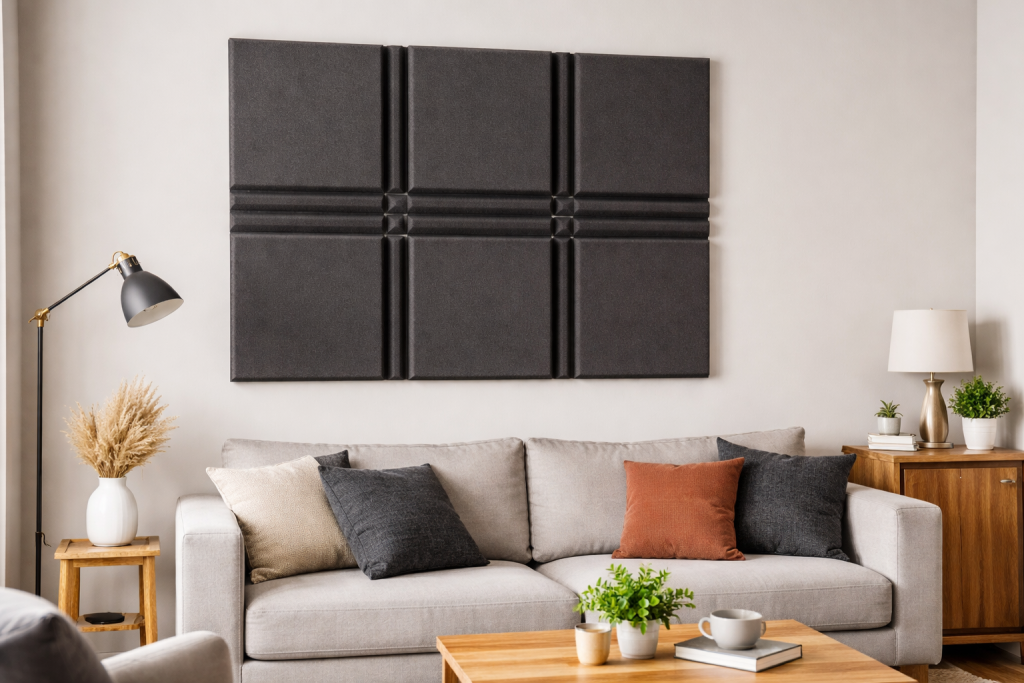
    The best no-drill soundproofing methods

    1. Door draft stoppers

    A lot of noise enters through gaps under doors. A simple door draft stopper can block both sound and air. These are cheap, easy to install, and surprisingly effective for reducing hallway noise.

    If hallway noise is your main problem, check out our full guide on how to soundproof a door in an apartment.

    2. Weather stripping

    Weather stripping is one of the cheapest and most effective ways to reduce noise leaking through doors and windows. Small gaps around frames let a surprising amount of sound in. By sealing these gaps, you block both noise and air. It’s easy to install, removable, and perfect for renters.

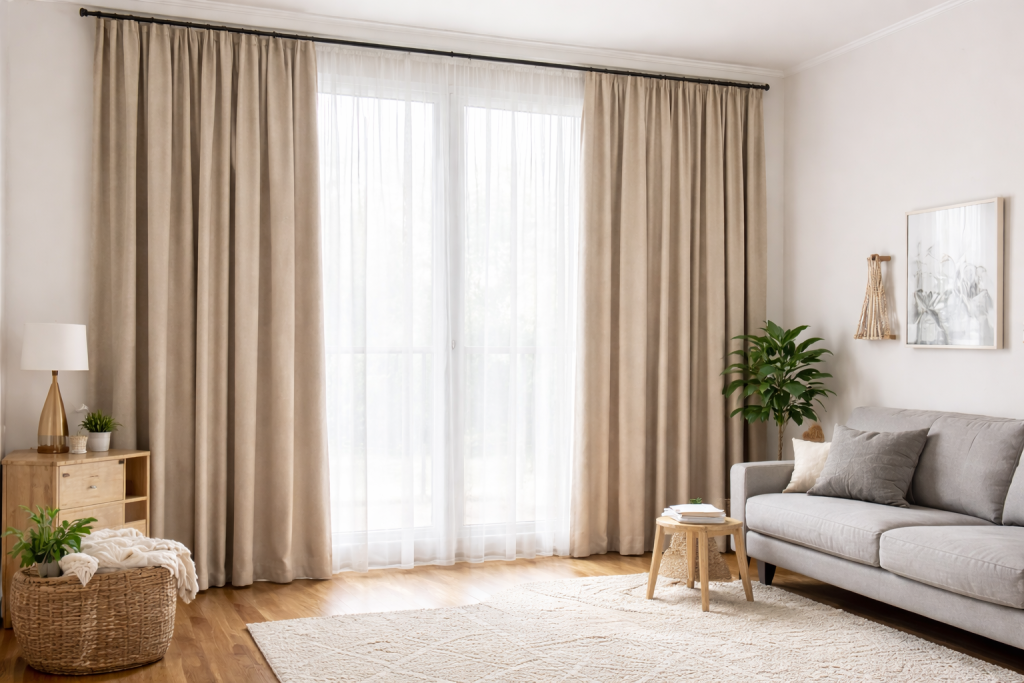
    3. Thick curtains

    Thick curtains used to reduce noise in an apartment room

    Thick, heavy curtains help absorb sound and reduce echoes inside your room. They work especially well over windows or even on walls that face noisy neighbors. While they won’t fully soundproof a room, they can noticeably reduce outside noise and make the room feel quieter.

    4. Rugs and carpets

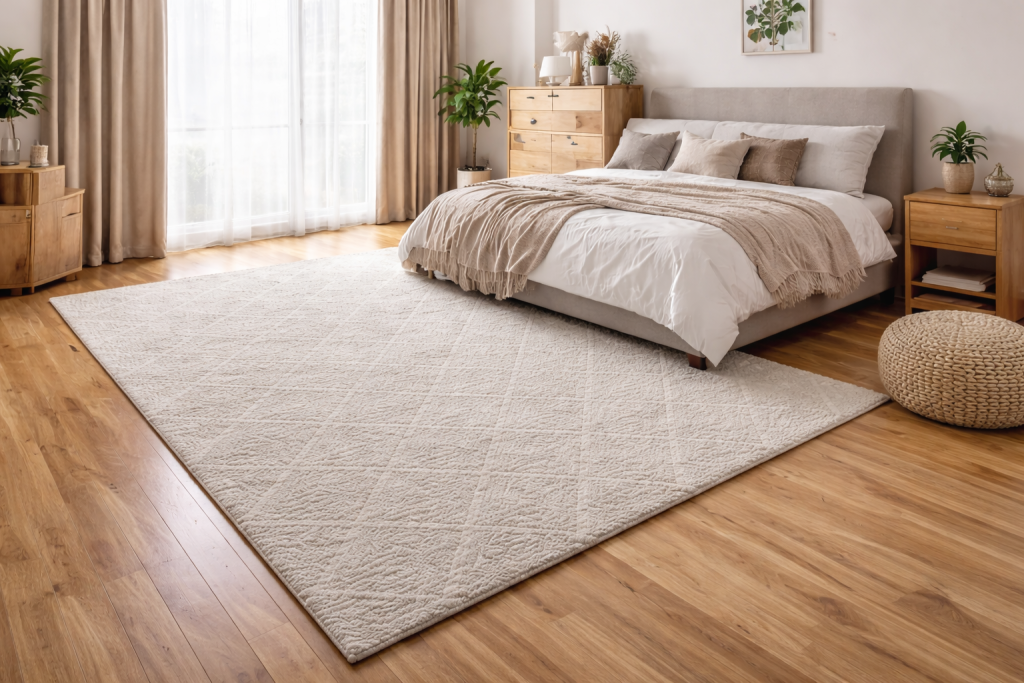
    Rug used to reduce noise in an apartment bedroom

    Hard floors reflect sound, which makes a room louder and more echoey. Adding rugs or carpets helps absorb sound and reduce how much noise travels through the floor. This is especially helpful if you have neighbors below you or live in an apartment with thin floors.

    For a full guide, read: How Rugs and Carpets Reduce Noise in an Apartment.

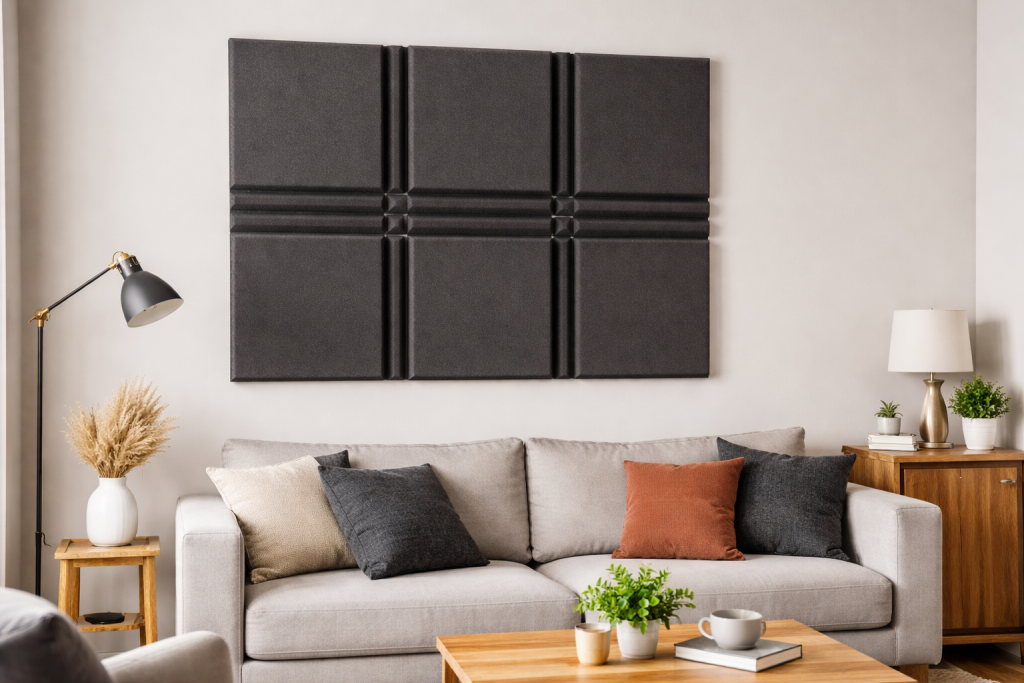
    5. Removable foam panels

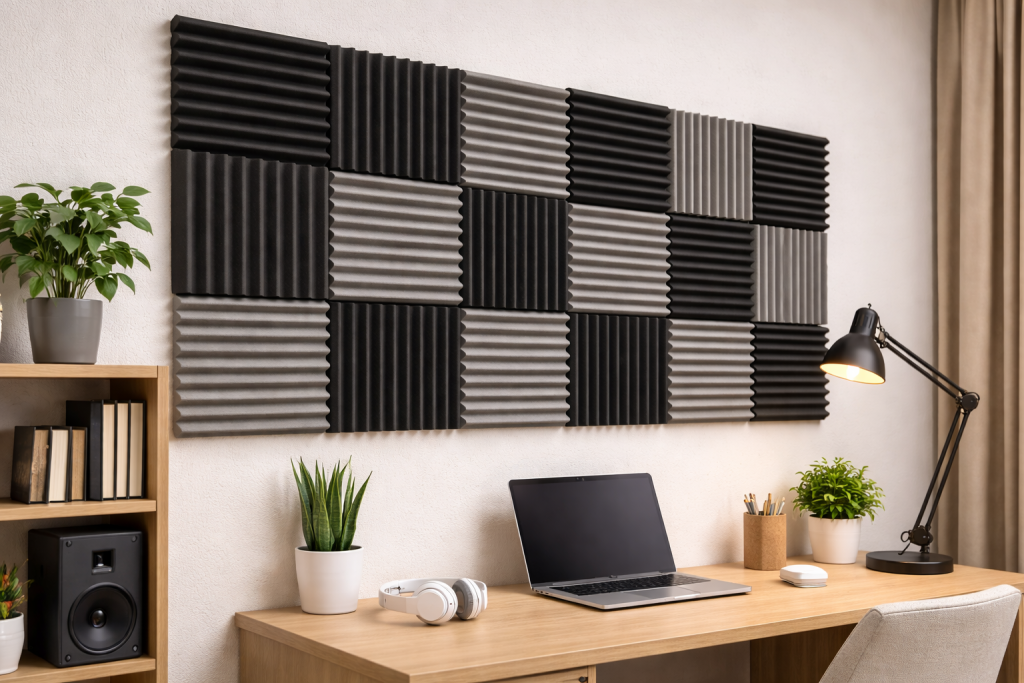
    Acoustic foam panels on apartment wall for soundproofing

    Removable foam panels are great for reducing echo and improving sound quality inside a room. They don’t completely block noise from entering or leaving, but they do help absorb sound and make the room quieter and less hollow. Many panels can be mounted with removable adhesive strips, making them renter-friendly.

    If you want to know whether they’re actually worth using, read our full guide on do acoustic panels really work in apartments.

    6. Furniture placement

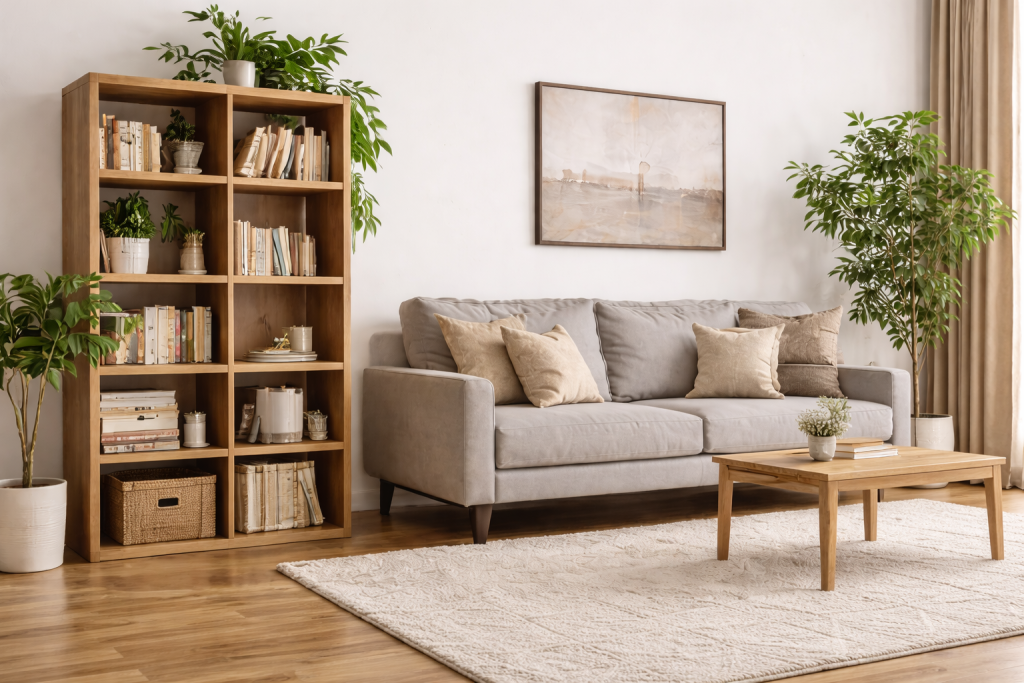
    Bookshelf placed against wall to help block noise in apartment

    Large furniture like bookshelves, couches, and wardrobes can help block and absorb sound, especially when placed against shared walls. A fully loaded bookshelf against a noisy wall can make a noticeable difference. This is one of the easiest and cheapest soundproofing tricks because it uses things you already own.

    Cheap ways to soundproof a room

    If you’re on a tight budget, you can still reduce a lot of noise using simple household items. Rolling up towels and placing them at the bottom of doors can block sound leaks. Hanging extra blankets or thick curtains over noisy walls or windows can also help absorb sound. Rearranging furniture to cover shared walls is another free and surprisingly effective trick.

    What does NOT work (common myths)

    Many people think egg cartons or thin foam panels will soundproof a room, but they don’t. Egg cartons do almost nothing for blocking noise. Thin foam only reduces echo inside the room and does not stop sound from entering or leaving. Also, “soundproof” blankets and cheap panels are often oversold — they help a little, but they won’t make a room silent.

    How much noise reduction you can realistically expect

    With no-drill, renter-friendly methods, you should expect noise reduction, not total silence. These methods can noticeably reduce voices, TV noise, and hallway sounds, but they won’t completely block loud bass or heavy footsteps. The goal is to make noise more manageable and your room more comfortable, not to build a recording studio.

    Conclusion

    Soundproofing an apartment room without drilling is totally possible if you use the right combination of methods. By sealing gaps, adding soft materials, and using smart furniture placement, you can significantly reduce noise without breaking your lease. Start with the cheapest fixes first and build up from there — even small changes can make a big difference.