If you’re hearing voices, TV, or neighbor noise through a wall, you’re not alone. The good news is you can reduce a lot of it with apartment-friendly fixes—no drilling required. Below are the best methods that actually help.
For a full no-drill plan, read: How to Soundproof a Room in an Apartment Without Drilling.
Why you can hear neighbors through a wall
Most apartment walls are built to separate rooms, not block sound. If the wall is thin, hollow, or has gaps around outlets and trim, sound can travel through it easily. Voices, TV, and music are usually airborne noise, which slips through weak spots and thin materials. Deeper sounds (like bass) can also travel as vibration, which is harder to stop.
First figure out what kind of noise you’re dealing with
Before you spend money, figure out what you’re actually hearing. If it’s mostly conversations, TV, or general chatter, you’re dealing with airborne noise and you’ll get the best results from adding mass and sealing leaks. If it’s bass, thumping, or vibration, you may need decoupling (a more “construction-style” fix). Most renters are mainly dealing with airborne noise, so that’s what we’ll focus on first.
The best apartment-friendly wall soundproofing methods
If you’re renting, the goal is to reduce noise without drilling or damaging the wall. The best approach is stacking a few simple upgrades: add something dense in front of the shared wall, cover the wall with thick layers, and seal the obvious sound leaks. These methods won’t make the wall “studio soundproof,” but they can noticeably reduce the noise and make the room feel calmer.
1. Hang thick blankets or soundproof curtains on the shared wall
One of the easiest renter-friendly options is hanging thick fabric over the shared wall. A heavy moving blanket, quilted blanket, or soundproof curtain adds mass and can help reduce how much sound gets through. For better results, leave a small air gap between the fabric and the wall if you can. If you already used curtains as a solution, this is basically the “wall version” of that method.
If you want a similar setup for doors, see our blanket/curtain over door guide.
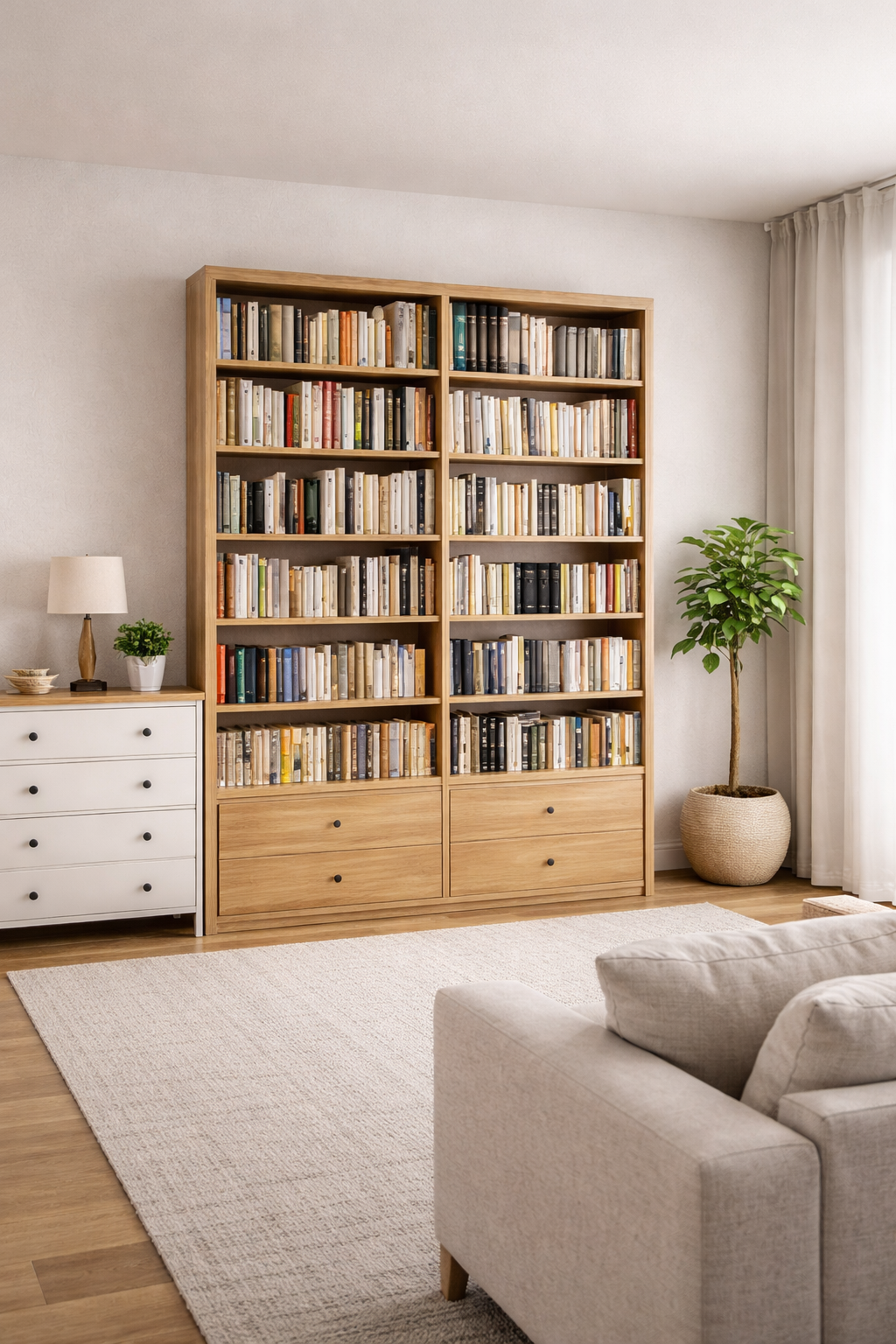
2. Add a “mass wall” with a bookcase or dresser
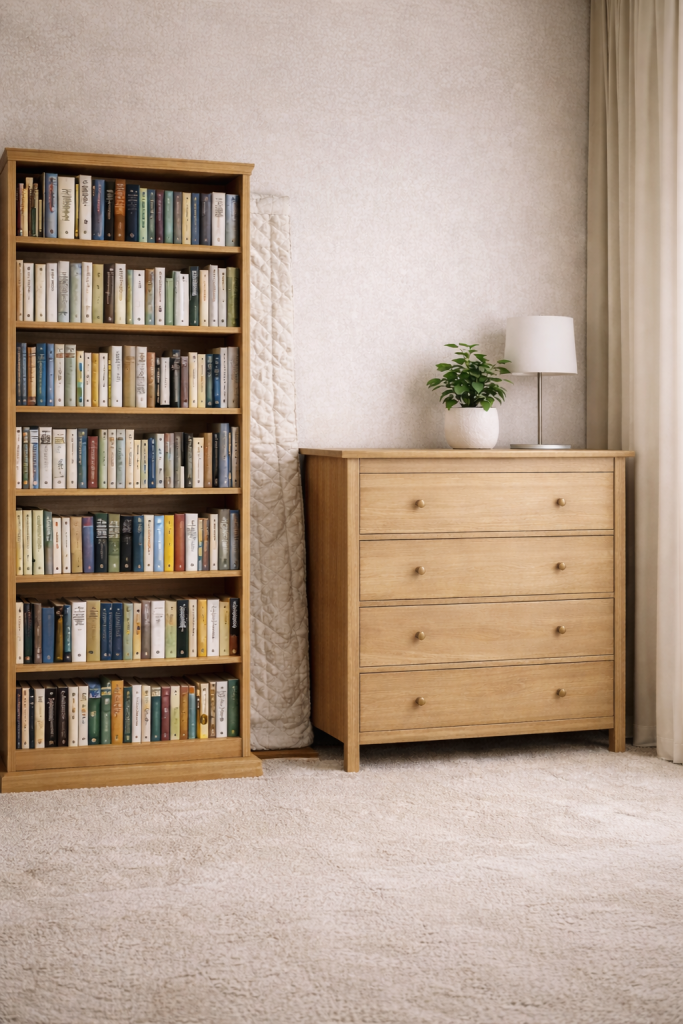
This is one of the most underrated apartment tricks. Put a full bookcase, dresser, or wardrobe against the shared wall and fill it with dense items (books work best). The more mass you add, the harder it is for sound to pass through. If you want extra improvement, add a folded blanket behind the furniture before pushing it against the wall.
3. Seal sound leaks (outlets, baseboards, and cracks)
Sound sneaks through tiny openings—especially around outlets and gaps in trim. Even if your wall is “solid,” outlets can act like little sound tunnels. Use foam outlet gaskets behind outlet plates, and check for gaps near baseboards or corners. If your lease allows, removable caulk can help seal small cracks without permanent damage.
4. Use acoustic panels the right way (for echo + support)
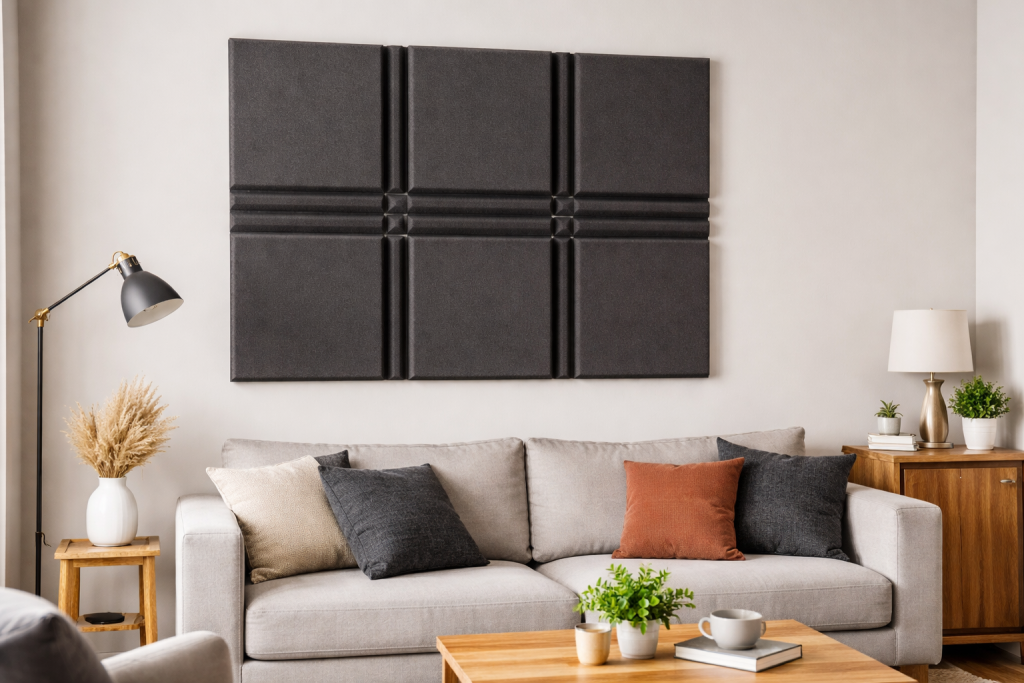
Acoustic panels help most with echo inside your room, not blocking your neighbor completely. But they can still help as a “support” step—especially when combined with heavy fabric or dense furniture. If you use panels, place them on the shared wall where the noise seems loudest and cover more area rather than using one small cluster.
Acoustic panels work best as a support method. See our acoustic panels guide for placement tips.
5. Stronger wall soundproofing (more permanent, best results)
If you own the place (or your landlord allows upgrades), you can get much bigger improvements by changing the wall itself. The most effective approaches involve adding mass, reducing vibration transfer, and improving what’s inside the wall cavity. These options cost more and take more work, but they give the best results—especially for loud neighbors.
6. Add mass with drywall + damping compound
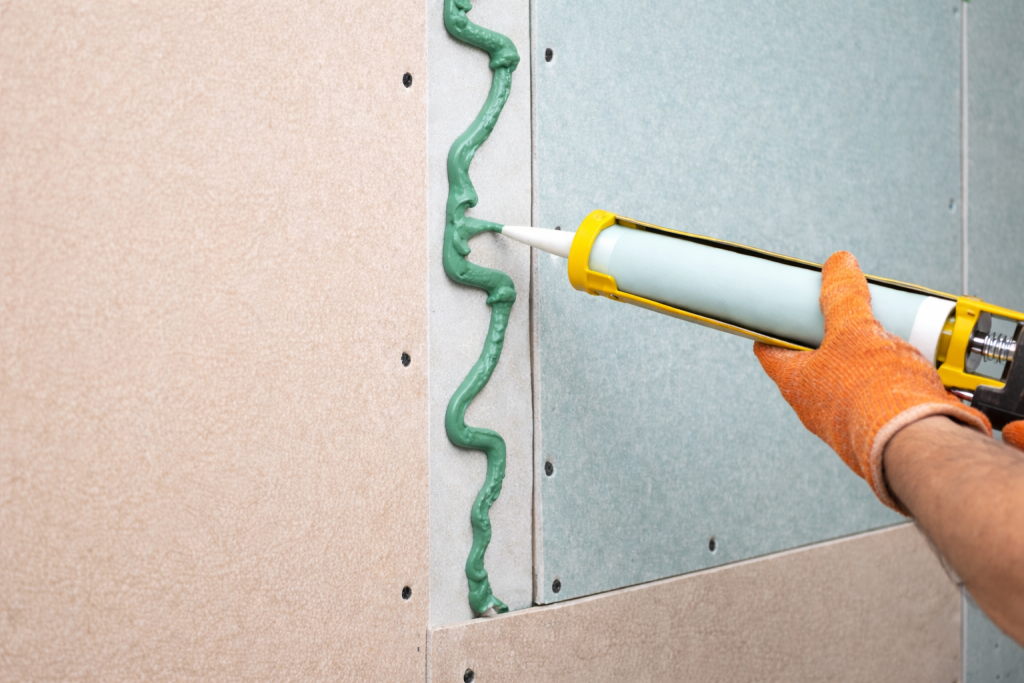
Adding another layer of drywall increases mass, which helps block sound. For even better results, a damping compound between layers reduces vibration and improves noise reduction compared to drywall alone. This is one of the strongest upgrades for airborne noise like voices and TV. It’s not always renter-friendly, but it’s a solid “best results” option for homeowners.
How much noise reduction you can realistically expect
No-drill fixes won’t make it silent, but they can make it noticeably quieter—especially for voices and TV. Bass usually improves the least, but adding mass (bookcase/furniture) + thick wall covering still helps.
Conclusion
Wall noise is super common in apartments, but you don’t need construction to improve it. Start with the easiest wins: add dense furniture against the wall, hang a thick blanket or curtain, seal leaks around outlets, and use acoustic panels to reduce echo. Stack a few of these and the room should feel noticeably quieter.
Leave a Reply